Why Door Knob Installation Precision Matters More Than Most People Think
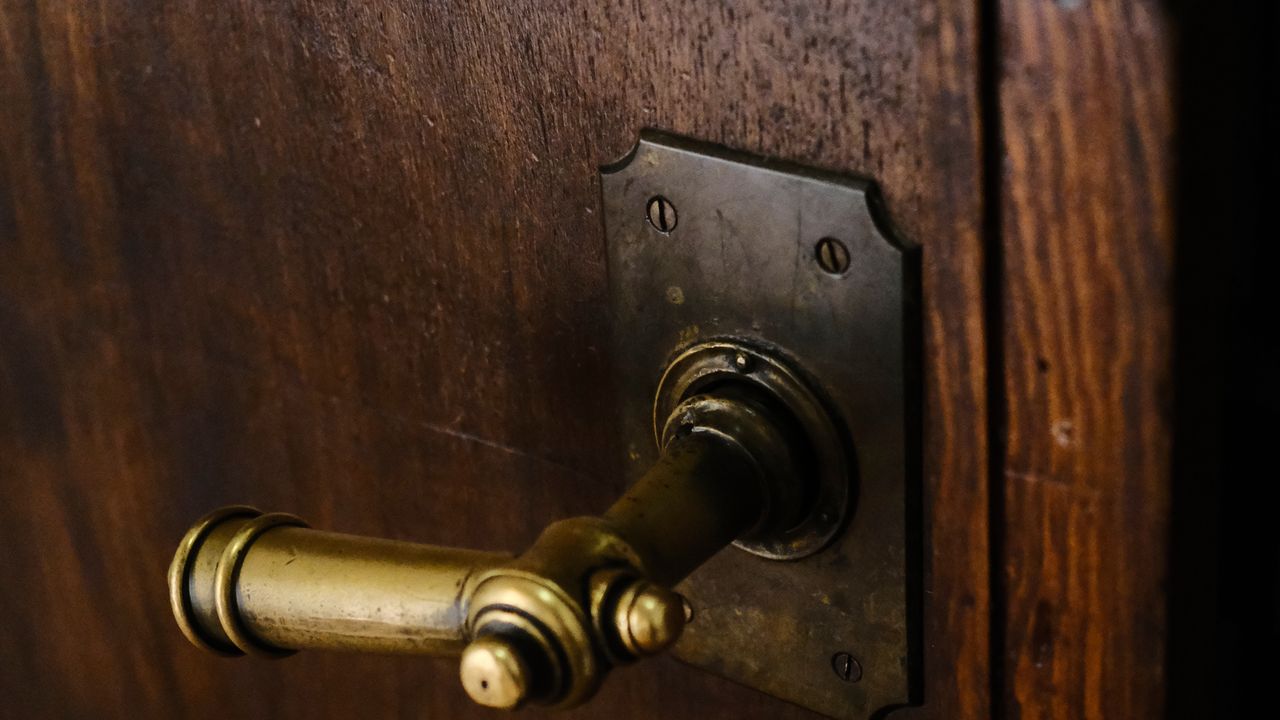
A door knob that feels loose, stiff, or unreliable after installation is usually blamed on the hardware itself. Sometimes that’s correct — the components are low quality. But a surprising number of door knob problems trace back to installation rather than manufacturing: misaligned parts, undertightened fasteners, or a subtle rotational offset in the assembly that creates binding throughout the mechanism’s range of motion. Getting the installation right is what makes otherwise average hardware feel solid and what makes good hardware perform the way it should.
The sequence problem: why order of assembly matters
Door knob sets are assembled in a specific sequence, and skipping steps or reversing the order creates problems that aren’t immediately obvious. The typical sequence starts with the latch body installed in the door edge, then the exterior knob assembly inserted through the face of the door and through the latch body, then the spindle engaged with the latch cam, and finally the interior rose and knob fitted and secured.
If the latch body is installed before the door prep dimensions are verified, a backset mismatch may not be caught until the full assembly is complete. If the exterior assembly is inserted before the latch cam is in its neutral position, the spindle may engage the cam off-center, creating a bias in the return spring that makes the knob feel like it’s being pushed back harder than it should.
None of these issues show up in a quick functional test — the knob turns, the latch retracts, everything seems fine. The problems emerge over weeks and months of use, as the slight misalignment works against seals, wears surfaces unevenly, and eventually loosens connections that should stay tight.
Spindle engagement: the most common alignment error
The spindle passes through both knob hubs and through a square hole in the latch cam. The length of the spindle matters — too long and it creates end-load on one hub, putting the assembly into tension; too short and it doesn’t engage both hubs fully, leaving one side relying on friction rather than a positive connection.
Most knob sets ship with an adjustable or cut-to-length spindle, with guidelines for different door thicknesses. A door that’s slightly outside the standard range — an older door that’s been planed, a non-standard thickness from a renovation — may need the spindle adjusted to match. Using the spindle at its default length without checking the door thickness against the specified range is the most common source of hub engagement problems.
The square cross-section of the spindle must align with the square hole in the cam. If the spindle is inserted slightly rotated — which can happen when the cam is in a partially actuated position — the corners of the square don’t engage the hole cleanly, and the drive connection has play in it from the start. This play translates to a knob that feels like it has a dead zone at the beginning of its rotation before it actually starts moving the latch.
Rose plate seating and bearing surface alignment
The rose plate covers the spindle hole in the door face and serves as the bearing surface for the knob hub. When the rose isn’t seated flat against the door face — because of an uneven door surface, a paint buildup under it, or a fastener that’s pulling it off-plane — the knob hub rotates against an angled surface rather than a flat one. The result is a knob that binds at certain points in its rotation and moves freely at others, depending on where in the rotation the hub is pressing most firmly against the angled rose.
This is a simple problem to fix but an easy one to overlook because the rose looks flat from the outside. Running a finger around the edge of the rose after installation, feeling for any section that rocks or sits proud of the door surface, catches the problem before it’s buried under the assembly.
How fastener tightness affects feel
The relationship between fastener tightness and mechanism feel is counterintuitive for most people. The assumption is that tighter means better — more secure, less movement. In a door knob assembly, overtightening the through-bolts that connect the two halves of the assembly can actually degrade the feel by pulling the roses tight against the door faces with enough clamping force to introduce friction in the knob hub rotation.
The correct approach is to tighten the through-bolts until the assembly is secure with no axial play — meaning the two halves don’t move apart under normal pulling force — but without loading the rose-to-hub interface. The hub should rotate freely after the bolts are tightened. If it feels noticeably stiffer after tightening than it did before, the bolts are overloaded. Backing them off slightly and checking the rotation again usually resolves it.
This is why understanding how door knob components work together makes installation go better — it explains what each fastener is actually doing and what the target condition is, rather than just following a torque step in a diagram.
Strike plate alignment: separate from knob alignment but equally important
A door knob that works perfectly in isolation can still result in a door that doesn’t close well if the strike plate isn’t positioned correctly. The latch bolt needs to enter the strike plate hole cleanly — if the door sags slightly after hanging, or if the frame has settled, the bolt may contact the edge of the strike plate rather than dropping into the hole.
The usual diagnostic is lipstick or chalk on the latch bolt face, closing the door to leave a transfer mark on the strike plate, and then reading where the bolt is making contact. A bolt that’s hitting low needs the strike plate moved down (or the door adjusted at the hinges); a bolt that’s dragging on the near edge of the hole needs the strike plate moved outward.
Strike plate alignment problems are often addressed by filing the hole in the strike plate rather than repositioning the plate. Filing is faster and usually works, but it’s a compensation rather than a correction — the door and frame haven’t been brought into alignment, just the hardware has been adapted to the misalignment. For a sagging door that’s getting progressively worse, filing the strike plate hole is a temporary measure.
Testing before the job is done
The final step of any door knob installation should be a systematic check rather than just a quick functional test. Turn the knob slowly through its full range of motion and feel for any binding, any dead zone at the start, any point where resistance changes unevenly. A knob that feels consistent through its full rotation — smooth engagement from the beginning, positive return to center — is correctly installed. A knob that passes a quick “turn and open” test but has subtle irregularities in its feel is likely to develop problems.
Catching installation issues at this stage costs a few minutes and avoids the scenario where problems are discovered after the door has been in use for months and the installation hardware is no longer easily accessible.