What Happens to iPhone Camera Quality Over Time — and the One Thing Most People Don't Protect
Most people who upgrade their iPhone every two or three years have noticed that the camera on the new phone feels dramatically better than the one they were using before. Part of that is genuine hardware improvement — newer sensors, wider apertures, more sophisticated computational processing. But part of it is something that rarely gets acknowledged: the old phone’s camera had accumulated two years of wear, and the new one is still pristine.
The degradation isn’t sudden. It happens gradually, in ways that don’t register until you’re comparing a two-year-old phone to a new one side by side.
The lens surface and what actually happens to it
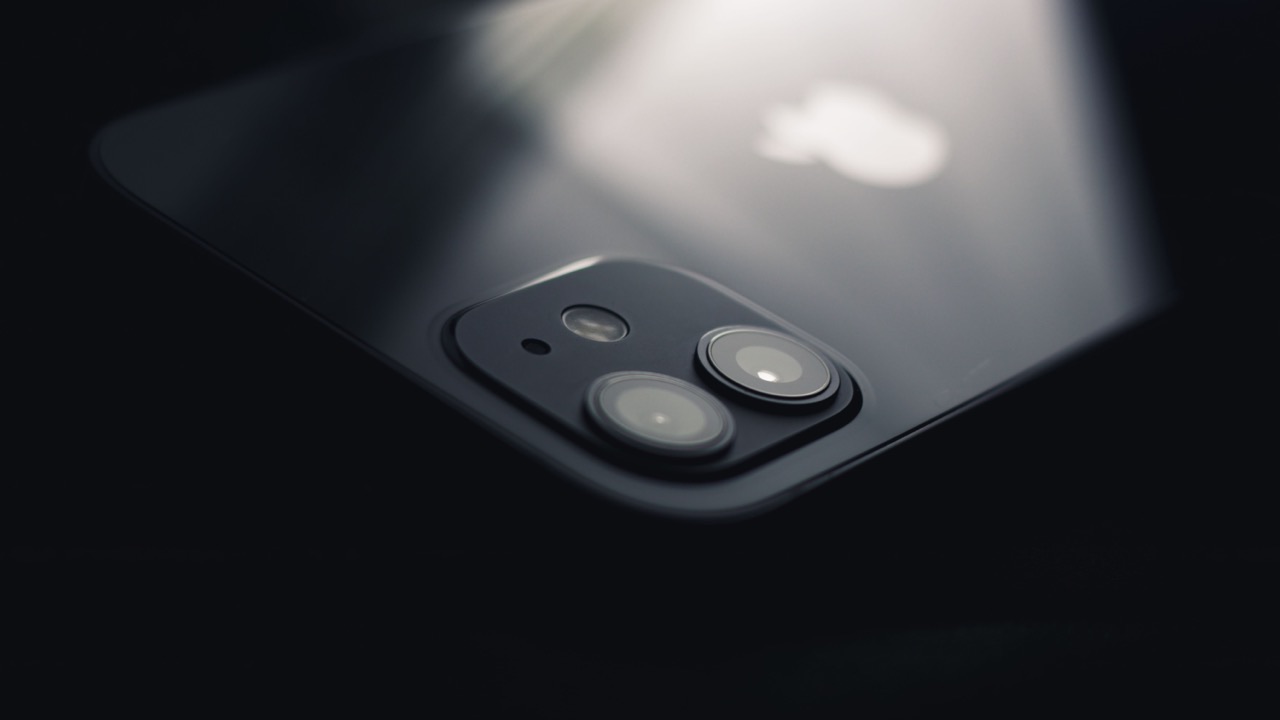
Every iPhone lens assembly includes a front element — the outermost optical surface that faces the world. On modern iPhones, this element is covered with sapphire crystal glass, which Apple uses specifically because of its hardness. Sapphire is rated 9 on the Mohs scale, harder than most materials the lens will encounter in daily use.
The problem is that “most materials” isn’t “all materials.” Fine particulate matter — sand, concrete dust, certain minerals — can approach or match sapphire’s hardness. When a phone goes into a pocket or bag and moves against surfaces containing these particles, the lens encounters abrasives that can leave microscopic scratches. Each individual scratch is invisible to the naked eye. The cumulative effect of dozens or hundreds of them is a lens surface that scatters light slightly rather than transmitting it cleanly.
This scattering shows up in photographs as reduced contrast, a slight haze in high-contrast scenes, and increased lens flare when shooting toward light sources. The effect is subtle for the first year and more noticeable in year two. By the time you upgrade and compare the new phone’s camera to the old one, the difference in lens condition is part of what you’re seeing — you just attribute it entirely to hardware improvement.
The coating layer that wears first
The front element on a smartphone lens isn’t bare sapphire. It’s coated — typically with anti-reflective and oleophobic treatments. The anti-reflective coating reduces internal reflections that would otherwise reduce contrast and create ghosting artifacts. The oleophobic coating makes the surface easier to wipe clean and reduces how much fingerprint oil adheres to it.
These coatings are thin and more vulnerable than the sapphire underneath. The oleophobic coating wears noticeably over the lifetime of a phone — you can observe this on older devices by how differently the surface feels under your finger compared to a new phone. As the coating thins, the lens becomes more prone to smudging, and fingerprint oils sit on the surface more aggressively rather than wiping off easily.
A lens surface that’s perpetually smudged or coated in thin oil films produces softer images with reduced contrast, particularly in low light. This is partially recoverable by cleaning — but a worn coating means the surface gets dirty faster and doesn’t clean as completely.
The subtle issue of dust and debris at the lens edge
The gap between the lens bump and the surrounding phone body is a place where fine debris accumulates. In most cases, this debris doesn’t enter the lens assembly — modern iPhones are reasonably well sealed. But debris that packs into the gap around the lens can be worked against the lens surface over time as the phone moves in and out of pockets, and it can make its way to the lens face during cleaning if the area isn’t kept clear.
This is the failure mode that’s hardest to notice in real time and most apparent in hindsight. The lens looks clean from a normal viewing distance. But small particles in the edge gap are doing abrasive work against the front element during normal handling.
What prevention looks like versus cleanup
Scratches to sapphire glass are not practically reversible. There are polishing compounds marketed for lens restoration, and they can improve surface condition marginally, but they also risk removing what remains of the anti-reflective coating and can introduce new scratches during the polishing process. The damage that accumulates over two years doesn’t have a reliable fix — it has only prevention.
The straightforward prevention is keeping the lens surface covered when the camera isn’t in use. A physical barrier between the lens and the pocket lining, the bag interior, and the surfaces the phone slides against is the only thing that reliably prevents the scratching and coating wear that degrades lens performance over time.
For anyone who uses their iPhone camera seriously — for photography, for video, for documentation — maintaining the optical condition of the lens is worth addressing before the wear happens rather than noticing it after the fact. Looking at an iphone camera cover designed to fit precisely over the lens module, without affecting camera function, is the kind of investment that pays off over the two or three years you use the phone rather than at the moment of purchase.
The camera hardware in recent iPhones is genuinely excellent. Whether it performs that well after two years of unprotected daily carry depends on what the lens surface looks like by then.