Why I Finally Stopped Propping My Phone Against Things
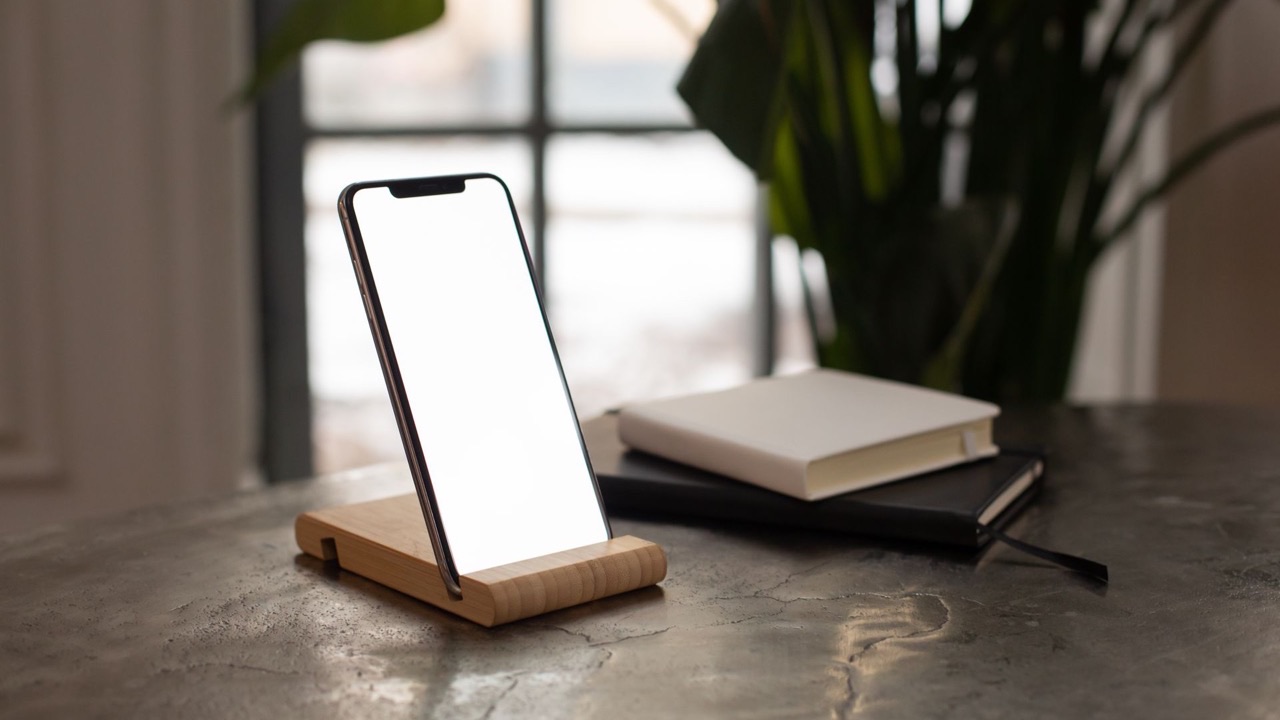
There’s a particular kind of low-grade frustration that accumulates around a phone without a stand. You prop it against a water bottle so you can see the screen during a call. You fold a case back on itself and balance it at the edge of your desk. You set it down flat and then have to pick it up every time a notification comes in that you actually need to see. None of this is a serious problem, but it’s friction that happens a dozen times a day and adds up to a lot of unnecessary movement and interrupted focus.
I used that approach for longer than made sense, partly because I kept thinking the solution wasn’t worth paying attention to. A stand seemed like an accessory rather than a necessity — something for people who had strong opinions about desk setups, not something that would make an actual difference. I was wrong about that, and the difference turned out to be more immediate than I expected.
What changes when the phone is upright and in place
The first thing that changed was notifications. When the phone is lying flat on a desk, every notification requires picking it up. You either check everything — which means constant interruption — or you flip it face-down and miss things. Neither is ideal. A phone propped upright at a consistent angle means you can see the screen from your normal seated position. Relevant notifications are visible at a glance; irrelevant ones pass without requiring you to pick anything up.
This sounds minor. Over the course of a workday, the accumulated effect of not picking up your phone sixty times is noticeable. The desk stays cleaner because you’re not constantly moving the phone. Your hands stay on the keyboard longer between interruptions. The decision of whether something requires attention or not happens passively rather than actively.
The second change was video calls. A phone propped against something always has an angle problem — the camera is either pointed at your forehead or at the ceiling depending on what you’re resting it against. A stand at the right height puts the camera at approximately eye level, which changes how you present in calls in a way that’s small but immediately visible to whoever you’re talking to.
The MagSafe factor
The practical problem with most phone stands is placement. You set the phone in the stand, pick it up when you need to use it, set it back down, repeat. After enough repetitions, the stand stops feeling like an improvement because the friction of placing the phone correctly has replaced the friction of picking it up from a flat surface.
MagSafe solves this by making placement automatic. The magnetic ring in the phone aligns with the magnet in the stand and snaps into position — you don’t aim for a slot or adjust the angle; you bring the phone near the stand and it goes where it should. Removing it is equally quick: one pull and it’s in your hand.
The magsafe phone stand format also keeps the phone charging while it’s in the stand, without plugging in a cable. The phone comes off the stand ready to use rather than needing to be plugged in separately when you’re working at the desk.
What this looks like in practice
The routine it creates is different from the routine around a cable-connected phone or a phone lying flat. The phone lives on the stand when you’re at the desk. When you need it, you pull it off and use it. When you’re done, you set it back near the stand and it snaps into place. No cable to manage, no specific slot to aim for, no balancing the phone at an angle so the screen is visible.
After a few days this becomes automatic in the same way most workspace habits do — you stop thinking about it and it just happens. The phone is always charged, always upright, always visible, and always easy to grab. The propping-against-things approach that preceded it starts to seem like an obvious inefficiency rather than a reasonable workaround.
The desk organization effect
A stand gives the phone a specific location on the desk, which turns out to matter more than it sounds. A phone without a fixed place ends up wherever — pushed to one side when you need space, moved near the keyboard when you’re expecting a call, somewhere near the coffee when you put it down without thinking. At the end of a session you have to look for it.
With a stand, the phone is always in the same place. You know where it is without looking. You know where to put it down after a call. The small cognitive load of tracking where you left things on your desk goes down in a way that’s disproportionate to how simple the change is.
The stand also keeps the desk cleaner in a way that’s hard to predict from the outside. A flat phone takes up surface area that nothing else can use without moving the phone first. A phone upright on a stand takes up a footprint smaller than a coffee cup and occupies vertical space that the rest of the desk doesn’t need.
Whether it’s worth the attention
The honest version of this review is that a phone stand is a small change that produces a disproportionate improvement in daily desk experience. The change is small in the sense that the object is simple and inexpensive relative to most desk equipment. The improvement is disproportionate in the sense that it affects something you do dozens of times a day — interacting with your phone while working — in a way that most larger purchases don’t.
The things that matter most in a desk setup tend to be the ones you interact with most often. A keyboard you type on for six hours matters more than a monitor stand you adjust once. A phone you pick up and set down fifty times a day in a friction-filled way matters more than many accessories that seem more significant. Getting that interaction right — which a good stand does — improves the day in ways that accumulate rather than being a one-time benefit.