What Actually Happens When Your iPhone Lens Gets Scratched — The Real Impact on Photo Quality
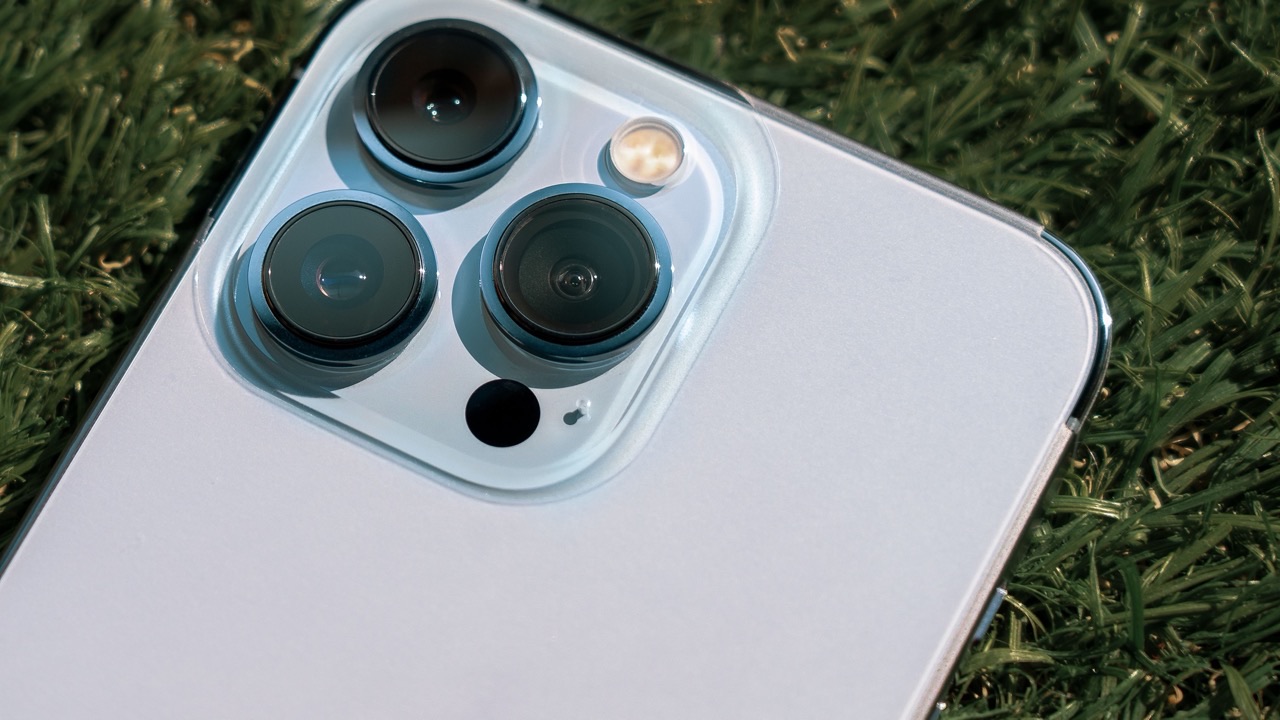
Most iPhone owners have a low-grade anxiety about the camera. Not the software, not the battery — the camera. Specifically, the raised bump on the back that contacts surfaces every time the phone gets set down, slid across a table, or dropped into a bag with keys. The concern is reasonable, but the actual consequences of lens damage are less well understood than the fear of it.
Knowing what scratches and chips actually do to your photos — and what they don’t do — helps you make a more rational decision about how much protective effort is warranted.
The sapphire glass question
Apple uses sapphire glass for the camera lens cover on current iPhone models. Sapphire is the second-hardest natural material after diamond, rated 9 on the Mohs hardness scale. For comparison, a steel key is around 5.5, and most sand particles (quartz) are around 7. So the lens cover on a modern iPhone is meaningfully harder than most things it encounters in a pocket or bag.
This doesn’t mean the lens is indestructible. It means that casual contact with most everyday materials — fabric, skin, smooth plastic, most metals — won’t scratch it. What can scratch sapphire: other sapphire (another iPhone, certain jewelry), silicon carbide particles (abrasive compounds in some cleaning cloths), and the harder mineral components in beach sand or gritty industrial environments. What commonly causes chips rather than scratches: drops onto concrete or tile where the impact is on the lens edge or housing.
The distinction between scratching and chipping matters because they produce different optical effects and have different prevention logic.
What a scratch actually does to your photos
A surface scratch on sapphire glass does several things to incoming light. Fine scratches scatter light at the scratch site, which reduces local contrast in the part of the image corresponding to that area. They can also create flare artifacts in certain lighting conditions — backlit scenes or shots toward bright light sources show additional streak or star patterns from the scratch edge.
The magnitude of the effect depends on where the scratch is. A scratch at the very edge of the lens cover, outside the active optical area, may produce no visible effect in images. A scratch running through the center of the lens over the primary camera will show up in images as a diffuse, lower-contrast zone that’s most visible in backlit conditions or when shooting into a bright scene.
What scratches generally don’t do: cause sudden, dramatic loss of photo quality across all shooting conditions. The effect is conditional — most photos in normal lighting conditions show little or no difference from a scratched lens versus an unscratched one. The impact becomes visible at the margins, in specific lighting, or at 100% crop on a monitor.
What a chip does — and why it’s different
A chip in the lens cover, typically at the edge of the glass where impact concentrated during a drop, removes material rather than just marking the surface. This creates a more significant optical discontinuity. Depending on the chip’s location and depth:
If the chip is in the lens cover glass only, not the actual camera lens below, the effect may be moderate — the chip creates a local area of optical disruption and possibly flare, but the lens system beneath continues to function.
If the impact was severe enough to crack the lens cover significantly or damage the underlying optical elements, the effect is more severe: contrast loss across a larger image area, persistent flare in any bright-light situation, and in serious cases, autofocus errors because the AF system’s ability to detect fine contrast details is degraded.
The other consequence of a chip is physical: a chipped lens cover no longer seals the optical compartment properly, which opens the camera system to moisture and dust infiltration. This is a longer-term risk rather than an immediate image quality issue, but it can cause progressive degradation of optical components that contact particles or moisture.
The housing ring problem
The stainless steel or aluminum ring around the lens cluster is often what shows wear first. Repeated contact with hard surfaces leaves small dings and scratches in the ring that don’t affect image quality at all but do affect the condition of the phone visually. For people who plan to resell their iPhone, the camera ring condition matters — a dinged ring is one of the more visible signs of use on a phone’s back, and it affects how buyers assess the phone’s overall care level.
An iphone camera cover that sits over the entire camera assembly protects the ring along with the lens glass. For resale-oriented owners, this is often the more practical motivation for protection than photo quality concerns — the resale price impact of visible camera ring wear is more predictable and immediate than the conditional photo quality impact of a scratched lens.
Testing it yourself
If you’re skeptical about whether your existing lens has any damage affecting your photos, here’s a simple test: shoot a few frames directly toward a bright window or outdoor light source in backlight conditions, then zoom in on the result. Lens damage creates characteristic flare artifacts — streaks, rings, or diffuse glow — that don’t appear in images from an undamaged lens under the same conditions. Shooting a white wall in even light and examining the image at 100% crop will show any localized contrast reduction from scratch sites.
Most people who do this test find their lens is performing better than they feared. Sapphire glass is durable enough that moderate everyday use over a year or two leaves most lenses in functional condition, even without a protector.
When protection makes more sense
The case for active protection is strongest when the use conditions are outside the norm for casual daily carry. High-dust environments — construction sites, agricultural work, desert travel — present elevated risk because abrasive particles can accumulate in the space between the lens bump and any surface it rests on, creating a grinding situation that sapphire handles less well than simple contact. Beach environments with sand are similar.
Frequent pocket carry alongside abrasive objects — not keys, which are soft enough to not scratch sapphire, but items like silicon carbide-impregnated tools or certain abrasive watch crystals — presents a different kind of risk. Outdoor sports where drops onto concrete, gravel, or rock are a realistic scenario represent the chip risk rather than the scratch risk.
For people whose iPhone primarily lives in a case with a raised lip around the camera, in a designated phone pocket, or on smooth surfaces, the lens protection question is less urgent than the anxiety around it might suggest. The sapphire is doing its job without help in those conditions. For everyone else, understanding what you’re actually protecting against — surface scratches that conditionally affect image quality, chips that present more significant optical and physical risks, and housing wear that affects resale value — produces a more calibrated decision than the generic “protect the camera” message that lens protector marketing runs on.